
Last Updated on August 28, 2026
Estimated reading time: 4 minutes
Author: Jessa May Bautista
Reviewed by: Josh Blanchard
Fact-checked by: Jack Aldous
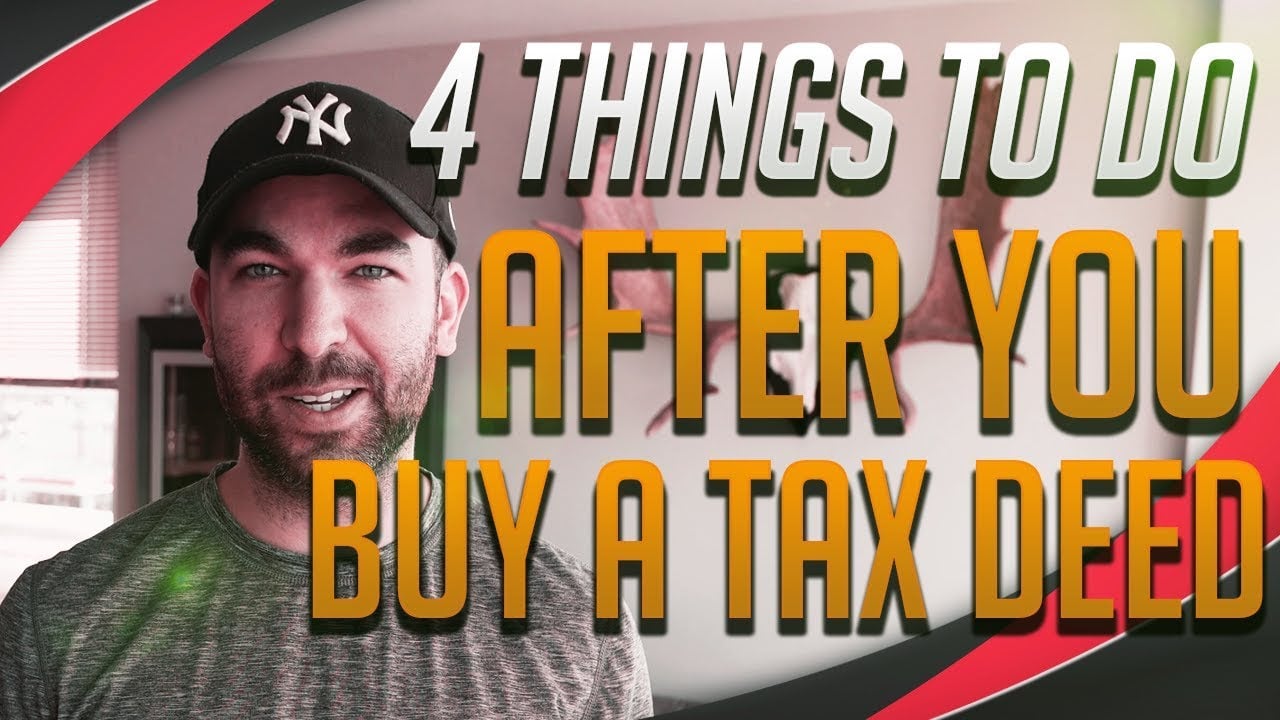
So, you’ve just won a tax deed property at your local tax sale. Now, the big question is: “What happens next?”
Don’t worry, we’ve got you covered! This is the video you absolutely don’t want to miss. Watch it now and get ahead in your tax deed investing game with essential tax deed steps.
What Is a Tax Deed?A tax deed is a county legal document that gives the county title to a property when real estate taxes stay unpaid long enough. After that, the county sells the property to recover the unpaid taxes.
Table of contents
Key Takeaways
- After buying a tax deed property, secure it immediately by changing the locks to avoid any security issues.
- Next, check for occupancy; deal with tenants as needed or proceed with inspections if the property is vacant.
- Conduct a thorough inspection to identify structural issues and hidden damages before making any repairs.
- Resolve any title issues by considering title insurance or legal actions to ensure clear ownership.
- Prioritize essential repairs first, focusing on safety and potential value improvements for better marketability.
Critical First Steps After Your Tax Deed Purchase
Start by securing the property, then check occupancy, inspect thoroughly, resolve title issues, and prioritize repairs. To maximize your profit potential, take a few crucial steps. These aren’t just helpful suggestions – they’re essential for ensuring your investment with a tax deed succeeds. By following these steps, you’ll be miles ahead of many investors who dive in unprepared.
- Secure the Property Immediately
Changing the locks is priority number one. You never know who might have keys to the old locks, and securing the property gives you peace of mind.
- Check for Occupancy
Is the property vacant or occupied? If occupied, you’ll need to handle tenant negotiations or potential evictions professionally and compassionately. If vacant, you can dive straight into inspections and potential rehab.
- Inspect Thoroughly
Don’t skip the physical inspection! Look for structural issues, water damage, and hidden costs. It’s better to know upfront than to be surprised later.
- Handle Title Issues
If the property doesn’t have a clear title, consider title insurance or legal processes to eliminate any lingering claims.
- Assess and Prioritize Repairs
Start by tackling urgent repairs that could affect safety or property value. Then move on to cosmetic upgrades to make the property more marketable.
FAQs
It is real estate sold by a local government because the previous owner failed to pay property taxes. The winning bidder receives a deed that transfers ownership but does not guarantee a clear title.
Most counties issue the tax deed within a few days of the sale. Recording it immediately protects your claim
Many investors file a quiet title action to clear any clouds on the title. A title search or specialized title insurance may be enough in some cases; consult a professional to decide.
Introduce yourself, verify whether they are a tenant and follow your state’s eviction laws. Never change the locks on an occupied property without proper notice.
A thorough inspection reveals hidden damage and helps you plan repairs. Skipping it may lead to expensive surprises later.
Learn from Real-World Experience
We’ve been purchasing tax deed properties over the past few months and are constantly uncovering new strategies—and yes, learning from our own mistakes. This video is packed with actionable advice, ensuring you don’t repeat common pitfalls.
Watch the video now and take control of your tax deed investing journey!
-Dustin
PS: Have questions or need guidance? Reach out! We’re here to help you navigate the tax deed world and share tips from our latest experiences. Don’t miss out on this valuable content!
Related Links