
Last Updated on May 7, 2026
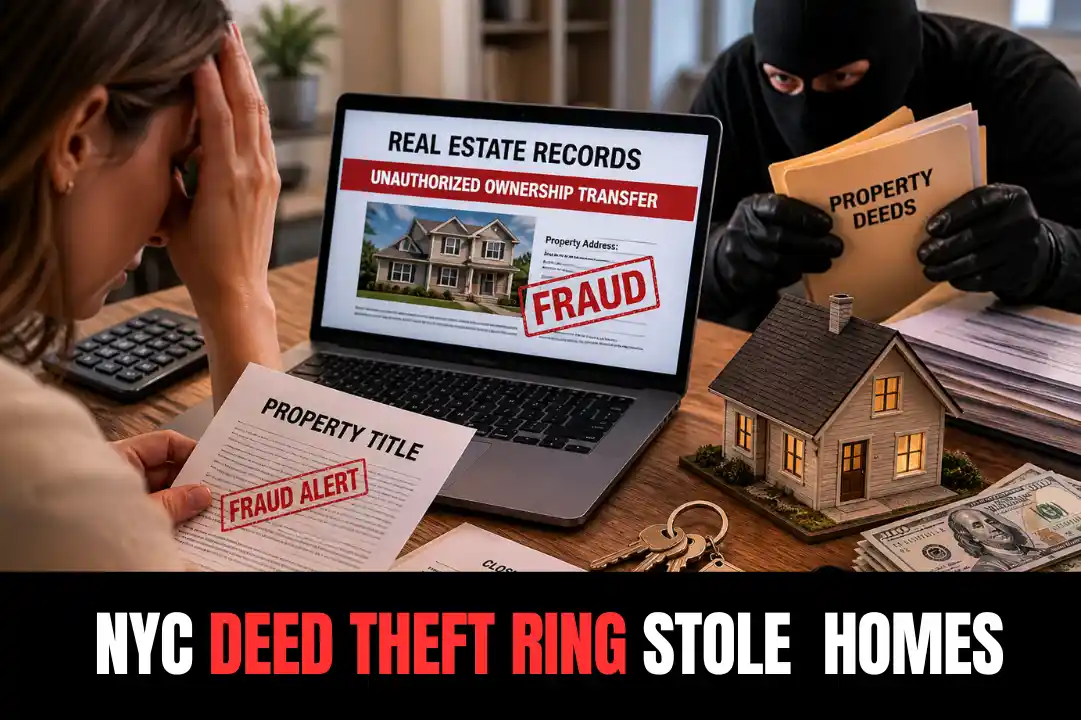
Deed theft is one of the scariest real estate scams because it can happen without the real owner knowing right away. A criminal may record a fake deed, make it look like they own the property, and then try to sell it, rent it, or borrow money against it.
This matters even more if you own rental homes, inherited property, vacant land, or houses bought through tax deed auctions. These properties may sit empty or be located in another state, which can make them easier targets.
The good news is that you can lower your risk by watching your title, checking county records, and using the right professionals before you buy or sell.
Table of contents
What Is Deed Theft?
Deed theft happens when someone illegally transfers ownership of real estate without the true owner’s approval. This can be done with fake signatures, fake notary stamps, stolen IDs, or false paperwork.
Once the fake deed is recorded, the scammer may try to:
| What Scammers Do | Why It Hurts the Owner |
|---|---|
| Sell the property | The real owner may not know until after the sale |
| Take out a loan | The property can become tied to debt |
| Rent the property | The scammer collects income from a house they do not own |
| Create legal confusion | The real owner may spend years fixing the title |
That is why deed theft is not just a paperwork problem. It can turn into a title problem, a loan problem, and a court problem.
How Deed Theft Usually Works
A scammer first looks for a target property. They often search public records to find homes with no mortgage, vacant properties, out-of-state owners, elderly owners, or properties where an owner has passed away.
Then they create fake documents. They may forge the owner’s name, use a fake ID, or pretend to be the owner online. After that, they record the deed with the county recorder or clerk.
In some places, the county office records documents but does not fully check whether every document is real. That gap is what criminals try to use.
Who Is Most at Risk?
Any property owner can be hit by deed theft, but some properties are easier targets.
| Higher-Risk Property | Why It Gets Targeted |
|---|---|
| Vacant homes | No one is watching daily |
| Paid-off homes | More equity may be available |
| Out-of-state rentals | Owner may miss warning signs |
| Inherited homes | Title may not be updated |
| Tax deed properties | New investors may miss title issues |
| Elderly homeowner property | Scammers may try to pressure or trick them |
If you own a rental or land in another county, do not assume everything is fine just because no one called you.
Red Flags to Watch For
Here are signs that something may be wrong:
| Red Flag | What It Could Mean |
|---|---|
| A new deed appears that you did not sign | Possible forged transfer |
| You stop getting tax bills | Mailing address may have changed |
| You receive mail for an unknown person | Someone may be using your property |
| A property is listed for sale without permission | Someone may be pretending to own it |
| Names are misspelled in records | Fake or sloppy paperwork |
| Recent title changes before a sale | More research is needed |
| A seller avoids calls or video | They may not be the real owner |
Do not ignore small signs. The faster you act, the better chance you have to stop the damage.
How to Protect Yourself From Deed Theft
- 1. Check Your County Property Records
Look up your property on the county recorder, clerk, or register of deeds website. Search by your name and property address. Make sure the owner’s name, mailing address, and recorded documents look right.
- 2. Sign Up for Property Fraud Alerts
Many counties offer free alerts when a document is recorded under your name or property. These alerts do not always stop fraud, but they can warn you faster.
- 3. Keep Your Mailing Address Updated
If you move, update your address with the county tax office, recorder, and utility companies. Missing tax bills or notices can delay your response.
- 4. Use a Title Company When Buying
If you are buying real estate, especially through a tax deed auction or private sale, use a title company when possible. A title search can show ownership changes, liens, breaks in the chain of title, and suspicious transfers.
- 5. Consider Owner’s Title Insurance
Title insurance can help protect buyers from certain title problems, including claims tied to forged deeds. It is not the same as a paid “title lock” service.
- 6. Watch for Email and Identity Scams
Deed theft can start with identity theft. Be careful with emails asking you to verify accounts, reset passwords, or share personal documents.
How Tax Deed Investors Should Handle This
If you invest in tax deeds, do not only look at the price. Look at the title history, too.
Before bidding, check:
| Due Diligence Step | Why It Matters |
|---|---|
| Chain of title | Shows who owned it and when |
| Recent deed transfers | Could reveal suspicious activity |
| Owner name changes | May show estate or fraud issues |
| Liens and mortgages | Some issues may survive or create delays |
| Occupancy status | Vacant property may need extra review |
| County records | Confirms recorded documents |
A cheap property can become expensive if the title is messy.
What to Do If You Suspect Deed Theft
Act fast.
- Contact the county recorder or clerk.
- Ask for copies of the recorded deed.
- Contact a real estate attorney.
- File a police report.
- Report identity theft if your personal details were used.
- Notify your title insurance company if you have a policy.
- Report the fraud to state or federal consumer protection offices.
Do not try to fix it with only a phone call. Get written records and professional help.
Key Takeaways
- Deed theft occurs when someone fraudulently transfers property ownership without the true owner’s consent, often using forged documents.
- Property owners, especially those with vacant, inherited, or out-of-state properties, face higher risks of deed theft.
- Red flags include unexplained changes in ownership, missing tax bills, and receiving mail for unknown individuals related to your property.
- To protect against deed theft, regularly check county records, sign up for property fraud alerts, and use a title company when buying real estate.
- If you suspect deed theft, act quickly by contacting authorities and seeking legal assistance to resolve the issue.
FAQ About Deed Theft
Deed theft is when someone uses fake or dishonest paperwork to make it look like they own your property.
A fake deed can create serious title problems. The scammer may try to sell, rent, or borrow against the property before the real owner finds out.
They can be. A home with no mortgage may attract scammers because there is more equity and no lender watching the title
No. Title insurance can help cover certain title problems. A title monitoring service usually only alerts you after a document is recorded.
Yes. Investors should check the chain of title before bidding and watch for recent transfers, name errors, and strange ownership changes.
At least once or twice a year. If you own vacant land, rentals, or out-of-state property, check more often and sign up for county alerts when available.
Final Thoughts
Deed theft is real, but you are not helpless. Protect your property: Check your county records, sign up for alerts, protect your identity, and use a title company when buying property. For tax deed investors, title research is not optional. It is part of buying smart and staying protected.